


Since no one is trained how to use AI in the first place and you learn as you go, there is a pattern of your first-times. Not the good first-times.
First times when you gave up on yourself.
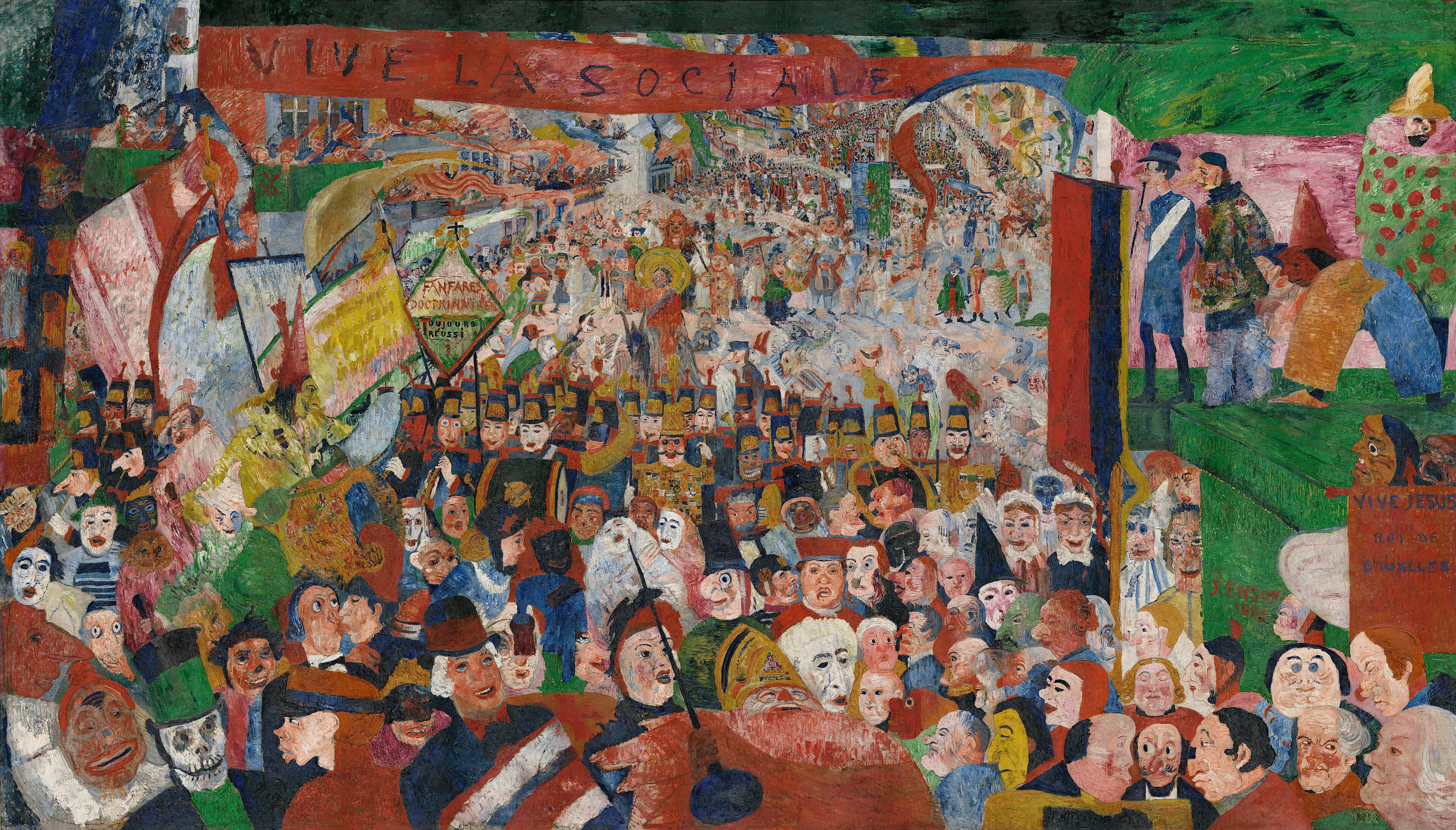
You submitted something last week. A recommendation, a strategy, a paragraph. It was yours — built from experience, from context nobody else in the room had, from the specific texture of knowing how this particular thing works, tacit knowledge and tenure. Proud. Indistinguishably yours.
AI pushed back. So you changed it.
Suddenly you don’t remember what you originally wrote.
You’re proud because this is a much better version. Must be. Clear structure within seconds. Wait…
That’s not editing. That’s something else.
AI doesn’t argue with you. It doesn’t get tired or hesitant. It delivers corrections the way institutions deliver decisions — cleanly, completely, without visible doubt. So polished and spotless it makes your thinking look amateur by comparison.
But we weren’t built for mathematical precision. A study of NHS emergency doctors found that the more experienced the clinician, the more comfortable they were with uncertainty — and that comfort, not certainty, was what ultimately drove better decisions.
Expertise doesn’t make you more sure.
It makes you more at ease with not being sure.
AI has that backwards. It performs certainty at maximum volume. And we’ve been trained to mistake volume for truth.
We’ve been socially trained our entire lives to read confidence plus coherence as authority: teacher who never stumbled; manager who always had the answer; a report with no typos.
We learned early that the people who sound sure usually are.
AI has infinite confidence and infinite formatting. Sorry, you have neither at 4pm on a Wednesday when you’re behind and tired and slightly unsure why you thought what you thought an hour ago.
So you bow in front of the algorithm. Completely. Yes, Sir. Of course.
Not because you were wrong.
Because some damn machine with no soul or scar sounded more certain than you felt.
And just last week we talked about the confidence tax — the hidden cost AI leaves on anyone who shows visible uncertainty. Now we are talking about the tax collection method. Direct debt. No Klarna. No cash back. No matter how loyal you are, no points for this. Not deducted in the big decisions. In the small daily capitulations that leave no record.
Only a fool would think it is a stupidity problem. Stupid people don't fall into it — they never trusted their judgment enough to lose it. This is a disease of the high-achievers, always thirsty, ambitious, wanting it all. The ones who care about being right. The ones who built careers on good judgment and are terrified of mistaking stubbornness for insight. Your intellectual honesty — that unique spark, the brilliant quality that made you good — is the exact mechanism AI exploits.
There is no antibiotic for AI influence.
No instant remedy. You are not immune.
Nobody is.
It works slowly. Bit by bit you trust your gut a little less. Bit by bit you believe the formatted version a little more. Until one day you don’t recognise the person signing off on the work.
That’s not a technical problem. That’s not an AI broligarchy problem.
That’s an identity problem. Pouring directly into the labour market.
Learn to distinguish original thinking and capitulation. The world is waiting for professionals to stop wearing the superhero costume of open-mindedness and admit they are kneeling in front of new gods.
Doing hard things is hard. It should stay hard. The moment it stops feeling hard is the moment you’ve handed it to something else.
Here’s what I want you to do. Not as an exercise. As an honest inventory.
Think of the last time AI pushed back on something you wrote or decided. Do you remember what your original instinct was? Can you articulate now why you changed it — not what the AI said, but why you found it convincing? Was there new information or just more confidence than you had? Better formatting?
That gap — between your first thought and final outcome — is where the tax was collected.
That tax collection is not spectacular at first. Like dying from nicotine. It just quietly replaces your judgment with something that sounds more sure of itself than you were willing to be.
We know this. The research is not hidden. Long term, repeated deference to AI degrades the cognitive muscle you’re deferring from. We know it. We use it anyway. Fully aware of the consequences. Naively believing we are the exception. We are not the exception.
It might be hard to swallow, but the market doesn’t pay for people who are never wrong. It pays for people who know when they’re right. And who can defend their position.
That requires remembering who had the answer before the machine offered a cleaner one.
and hey, it was always you.
Fin
While you're here:

I enjoyed reading this. I'm afraid, or well afraid is not the word but I am concerned that 5-7 years from now, all the people around us who are using and relying more and more on AI will see some sort of a decline in perhaps IQ or certain parts of their brain's ability to think effectively. Will we as a species become generally overall less intelligent with time?
I've worked on something similar, with not losing yourself when connecting to AI. I wouldn't throw the baby out with the bathwater since AI is here to stay. You can use AI as a tool and tell it how you want it to scan your doc. It doesn't have to be an erasure of you and your language. I undetstand the confidence tax though. My note on AI is in this thread. I subscribed maybe you can read mine.